

When ice crystals cause snowfall and people with lung disease climb to higher altitudes
Two young scientists are awarded the Prix de Quervain for their outstanding dissertations re-lated to high altitude research. Paraskevi Georgakaki is being honoured for her research into the role of ice crystals in mixed-phase clouds, and Simon Raphael Schneider for his study on the effects of high altitude on people with pulmonary hypertension.
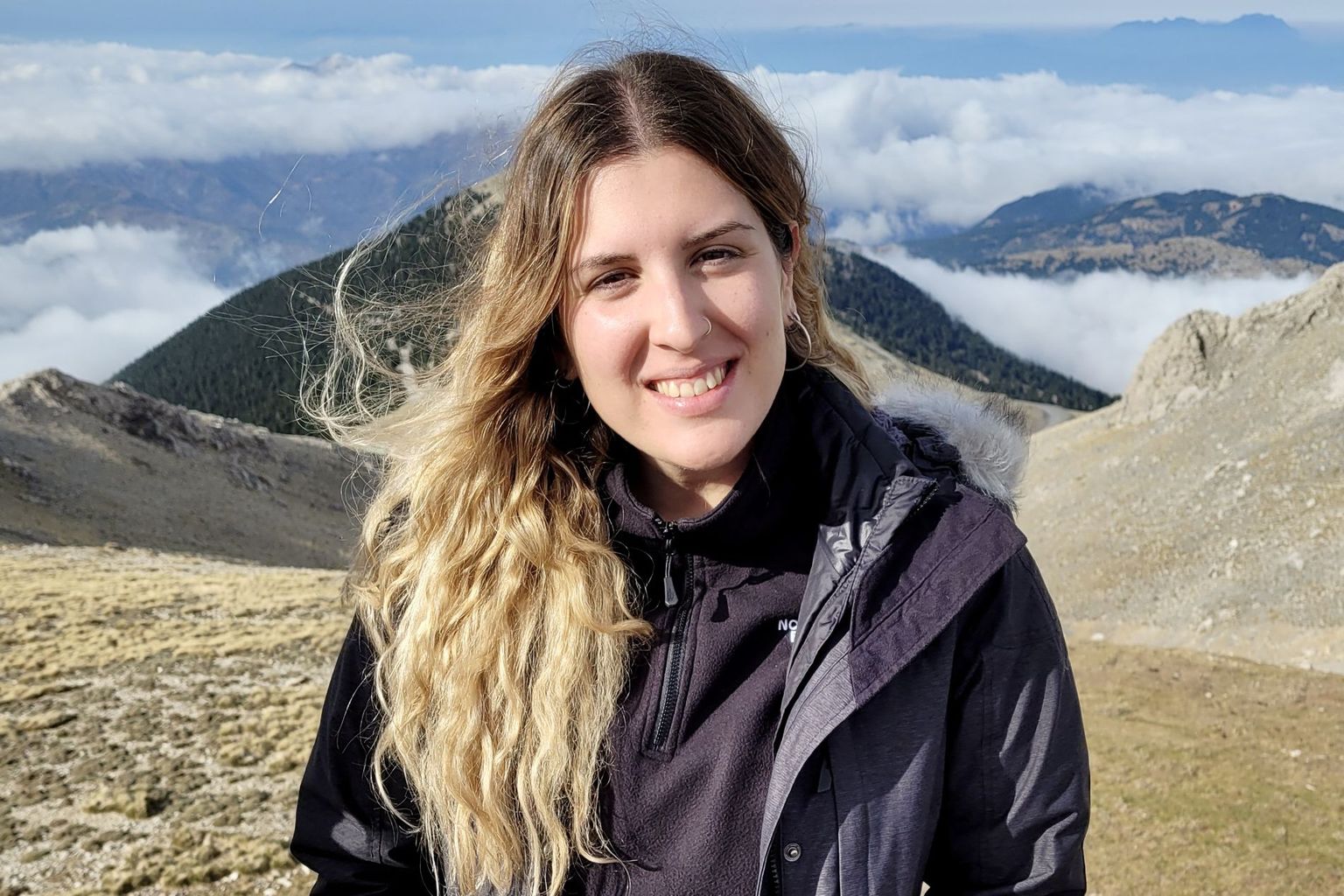
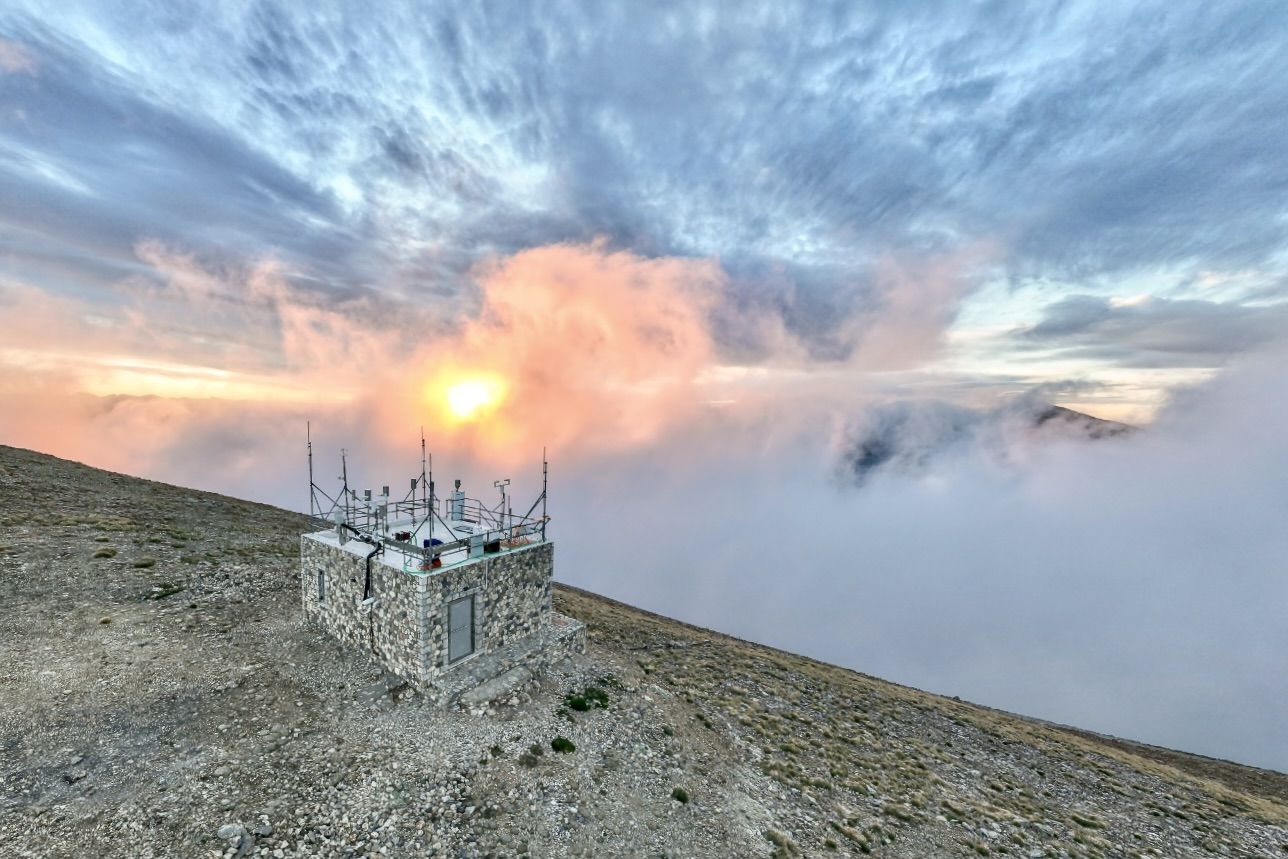
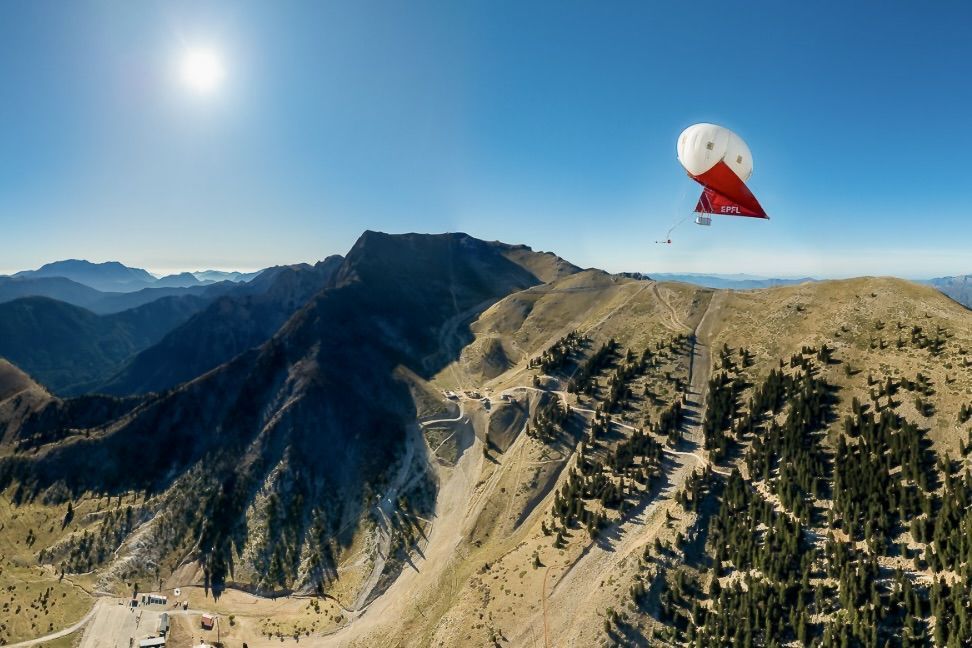
In her dissertation at EPF Lausanne, Paraskevi Georgakaki took a closer look at a phenomenon that had previously received little attention: the sudden proliferation of ice crystals in mixed-phase clouds. These clouds contain both liquid water and ice and are responsible for snowfall, especially in mountainous regions. She was able to show how the rapid formation of crystals changes the structure of the clouds in such a way that it can snow much more heavily. For her work, Georgakaki combined weather models with measurement data from high altitude stations such as the one on the Jungfraujoch.
Based on her findings, she developed a simple method for calculating more accurate weather forecasts. The algorithm continuously improves itself through machine learning as new data is fed in. It is already being used in three important European climate models. Dissertation
More severe symptoms at high altitudes
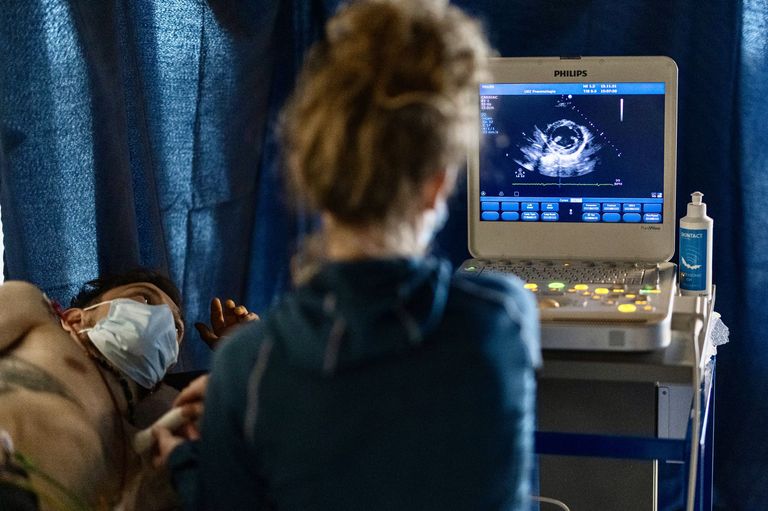
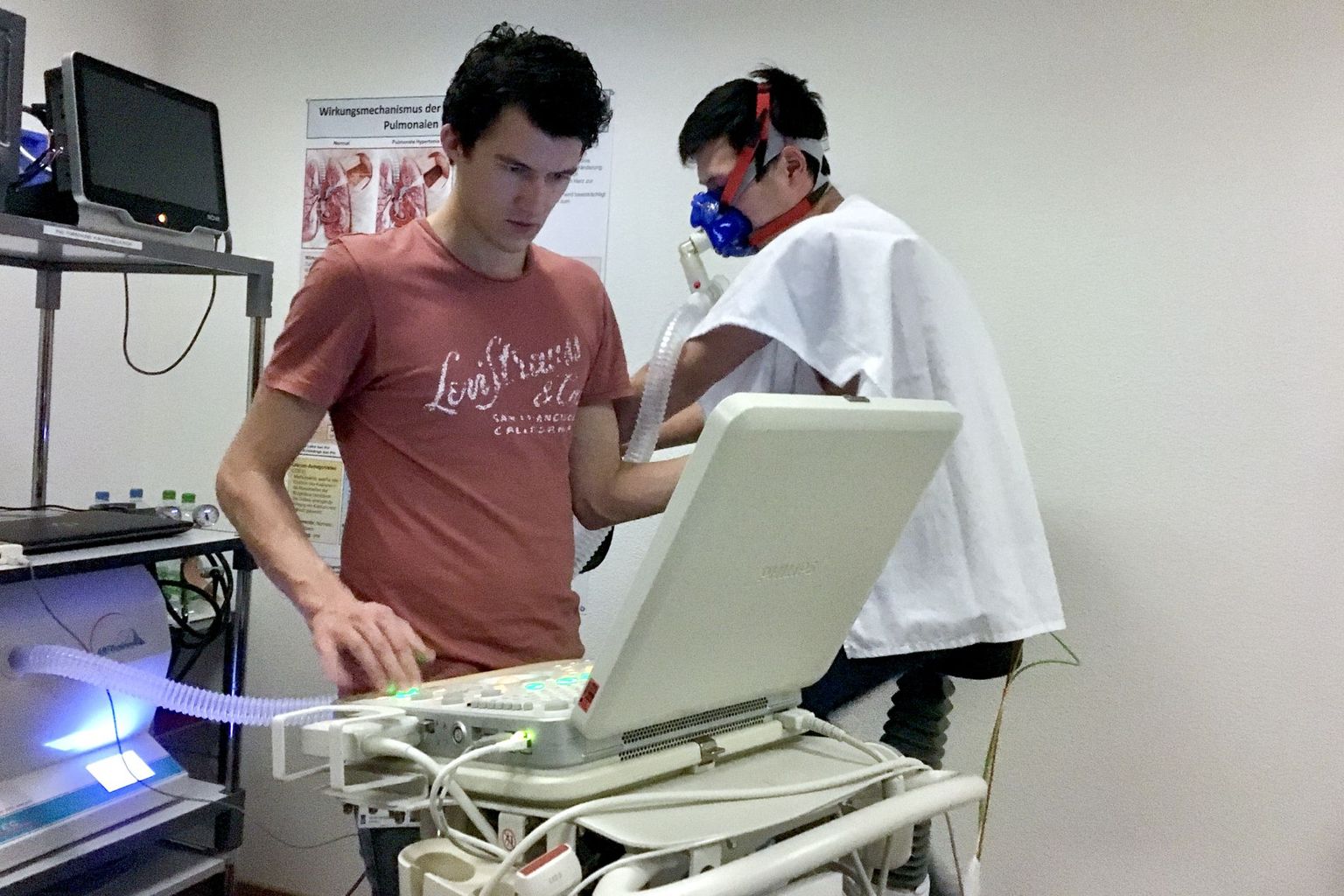
Can people with pulmonary hypertension safely travel or fly at high altitudes? Simon Raphael Schneider devoted his doctoral thesis at the University of Zurich to this question. Pulmonary hypertension leads to increased blood pressure in the pulmonary arteries and puts strain on heart and lungs. Patients suffer from shortness of breath, exhaustion, dizziness or chest pain. Schneider exposed 28 people with this condition to artificially generated and real high-altitude air, and examined their performance, blood oxygen saturation and heart function. In both cases, the values were reduced. Although the real conditions had a significantly greater effect, most of the test subjects tolerated the high altitude well; only three required additional oxygen.
Schneider’s work provides valuable information for medical consultations, but also shows that such short-term tests are not sufficient to predict the effects completely. To do this, a larger number of people must be examined over a longer period of time. Dissertation
Promotion of early career scientists
The two researchers will receive the Prix de Quervain at the Swiss Polar Day, which is taking place at ETH Zurich on 5 September (programme and registration). The prize is awarded by the Swiss Commission for Polar and High Altitude Research of the Swiss Academies of Arts and Sciences, the Swiss Commission of the High Altitude Research Station Jungfraujoch of the Swiss Academy of Sciences and the Swiss Foundation for Alpine Research for outstanding Master, PhD and Postdoc work from Switzerland. It is awarded alternately for polar or high altitude research and is endowed with a total of CHF 5,000.



Contact
Christian Preiswerk
a+
Swiss Commission for Polar and High Altitude Research (SCPH)
House of Academies
PO Box
3001 Bern
Switzerland