



- 2026
- Rivista
HOTSPOT 53/26 «Milieux aquatiques sous surveillance »
Immagine: Forum Biodiversität Schweiz1/9- 2026
- Foglio informativo
Gestire la Svizzera nel cambiamento climatico
Immagine: SCNAT2/9- 2026
- Podcast
Soziale Gerechtigkeit und Klimapolitik – wie geht das zusammen?
Immagine: Monique Borer3/9- 2025
- Rivista
HOTSPOT 52/25 Précieuse obscurité
Immagine: Forum Biodiversität Schweiz4/9- Comunicato stampa
Una rete nazionale di consulenza scientifica per prevenire le crisi e sostenere le autorità
Immagine: a+5/9ProClim Flash 80 : Une question de droit et de justice – le rôle de la justice dans le changement climatique
Immagine: Miriam Künzli / Greenpeace6/9- Comunicato stampa
Le Label MINT valorise désormais aussi la maturité professionnelle
Immagine: SCNAT7/9- Comunicato stampa
La promotion des MINT en Suisse atteint son plafond de verre : plus de spécialistes grâce à une approche systémique
Immagine: a+8/9- 2025
- Relazione
Valori indicativi e criteri di qualità per la biodiversità nello spazio urbano
Immagine: SCNAT9/9
Per una società sostenibile
Le scienze naturali rappresentano un pilastro fondamentale dello sviluppo culturale ed economico. Insieme alla sua rete, la SCNAT sensibilizza maggiormente i cittadini e ne promuove il dialogo con la comunità scientifica. Appoggia lo sviluppo sostenibile della società con le conoscenze specialistiche.
Attualità
Aree in cui si impegna la SCNAT

Contatto
Accademia svizzera di scienze naturali (SCNAT)
Casa delle Accademie
Casella postale
3001 Berna
Novità
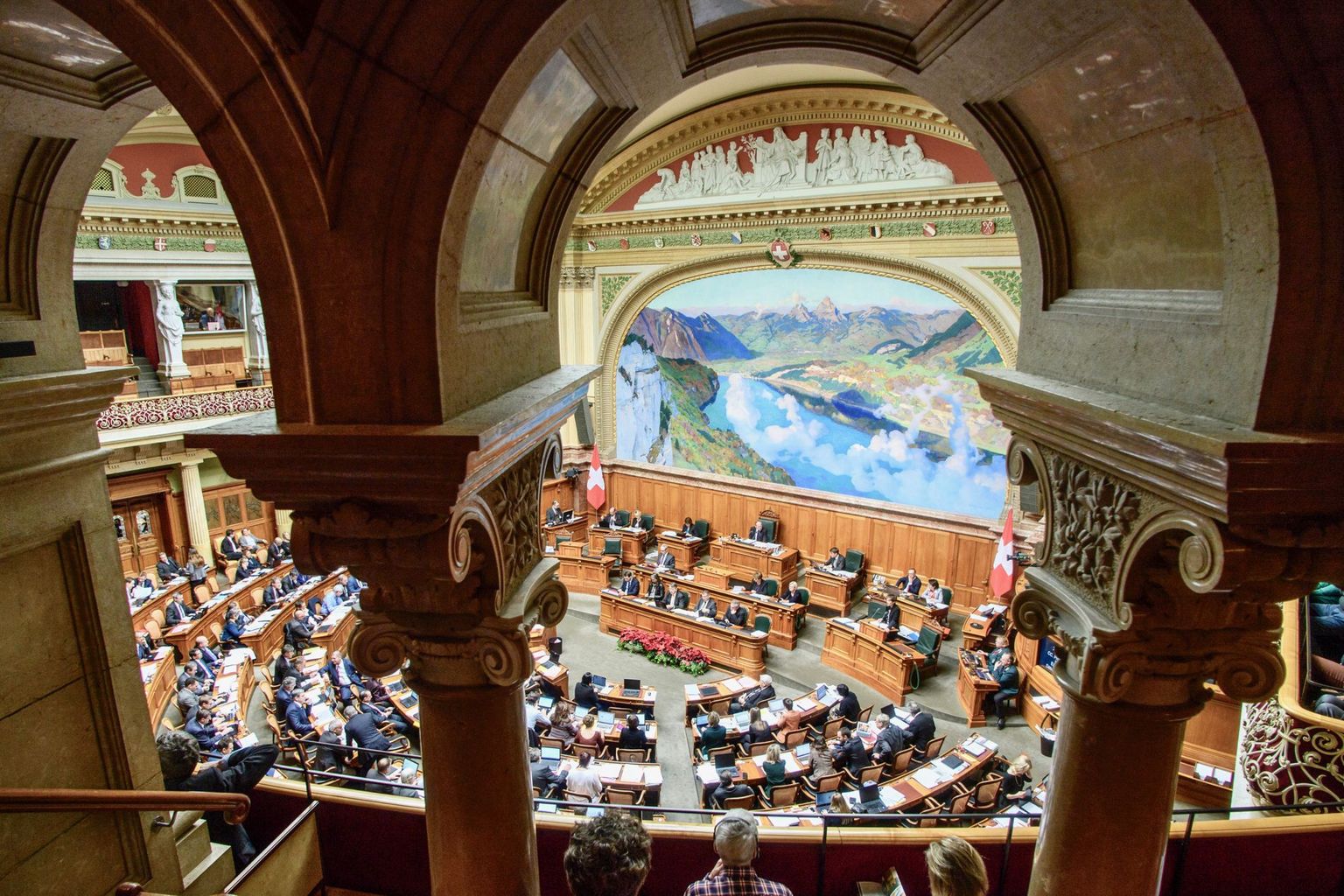
Testing Democracy
The fact that everyone can have their say is at the heart of democracy. Yet this opportunity can be abused to secure one’s own position. The opposing side is belittled, and emotional slogans can lead to total polarisation. The group holding different views is seen merely as an enemy, no longer as part of the demos that shares in decision-making. Fortunately, democracies can also function differently, much like typical discourse in the humanities: arguments and counter-arguments are examined. Sometimes a consensus emerges. This lasts until someone puts forward better arguments and the consensus has to be renegotiated. In this way, knowledge remains in a state of constant flux.
Biodiversity: data serving life
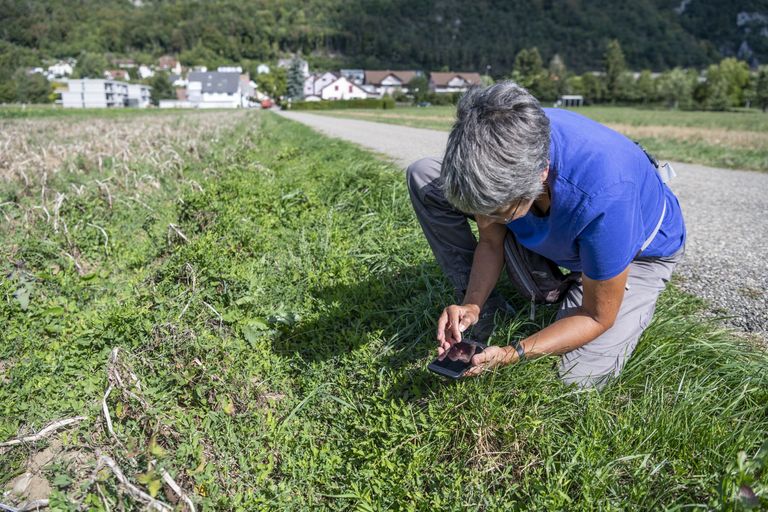
On the eve of the International Day for Biological Diversity, the Swiss Institute of Bioinformatics (SIB) and the Swiss Academy of Sciences (SCNAT) are organizing the Bern Biodiversity Data Day. Taking place at the House of Academies in Bern, the event brings together Swiss experts spanning the entire biodiversity data value chain – from field data collection to its use in informing policy decisions.
Immagine: Beat ErnstHOTSPOT 53/26 «Milieux aquatiques sous surveillance »
Les milieux aquatiques sont par essence dynamiques et réactifs. Les pressions qu’ils subissent témoignent de l’ampleur de nos sollicitations à leur égard : exploitation hydroélectrique, agriculture, changement climatique ou encore rejets d’eaux usées et micropolluants. Leurs réactions reflètent les interactions complexes entre processus naturels et actions humaine, que ce soit en termes de qualité, de température et d’écoulement de l’eau ou encore de composition de la faune et de la flore.
Immagine: Forum Biodiversität Schweiz
Business und Biodiversität: Wie kann die Wirtschaft die Natur mitdenken?
11.5.2026 – Wie lässt sich Biodiversität in wirtschaftliche Entscheidungen integrieren? Welche Rolle spielen Regulierung, Transparenz und internationale Lieferketten? Und wie misst man überhaupt den Einfluss von Unternehmen auf die Natur?
Immagine: Monique Borer
Unsere Landschaften im Klimawandel: Wie verändern sie sich und wie gestalten wir sie für morgen?
16.4.2026 – In dieser Folge spricht Cornelia Eisenach mit der Geografin Elena Siegrist und dem Raum- und Landschaftsplaner Enrico Celio darüber, wie der Klimawandel unsere Landschaften verändert. Wie gestalten wir sie, damit sie ihre Funktionen weiterhin ausüben können und wir uns auch in Zukunft darin heimisch fühlen?
Immagine: Monique Borer
La Suisse face au changement climatique : les bénéfices d’une action rapide
Avec une politique climatique plus cohérente et plus visionnaire, la Suisse pourrait limiter les risques tout en saisissant les opportunités d’un développement durable, tant au niveau national qu’international, selon le rapport « Coup de projecteur sur le climat suisse » publié jeudi par l’Académie suisse des sciences naturelles. Une action rapide apporterait de nombreux avantages.
Immagine: Marina Bräm
Soziale Gerechtigkeit und Klimapolitik – wie geht das zusammen?
12.3.2026 – In dieser Folge spricht Host Thomas Kobel mit Florian Landis, Forscher an der Zürcher Hochschule für Angewandte Wissenschaften (ZHAW) und Aline Masé, Leiterin der Fachstelle Sozialpolitik bei der Caritas, darüber, warum soziale Gerechtigkeit für eine wirkungsvolle Schweizer Klimapolitik wichtig ist. Und wie Klimapolitik umgekehrt zu mehr Gerechtigkeit beitragen kann.
Immagine: Monique BorerOn expedition
When people venture into unknown territories to learn new things, this is the essence of research. Scientific voyages inspire us to marvel, dream and see the world in a new light. But they often tell stories not only of courage, curiosity and discovery, but also of power and colonial exploitation. The new Horizons explores both sides: the fascination of setting out on a journey and the ambivalence of research expeditions. And it reports on scientists who are venturing into undiscovered worlds of the Earth today.